Family connections program

The family connections program supports young people aged 15-24 and their families to improve family functioning and reduce the risk of homelessness. The program works with all young people with a focus on the multicultural community to create an inclusive and accesible service.

Who is this for?

Family Connections is a collaborative program between Conflict Resolution Services (CRS) and Multicultural Hub (mHub), with a focus on providing inclusive support to young people and their families in addressing family conflicts, enhancing well-being, and reducing the risk of youth homelessness.

Young couple sitting on stairs indoors, each holding a coffee cup, engaged in conversation.
Family connections program

How it works

The program works with all young people aged 15-24 and their families with a focus on the multicultural community to create an inclusive and accessible service.

This initiative places a strong emphasis on early intervention, aiming to create a supportive environment that empowers young people and their families to build stronger relationships. Whether through family counselling, communication coaching, or family mediation, the program’s goal is to reduce the risk of youth homelessness and nurture the overall welfare of all family members.

The Family Connections program works with young people and their families to address complex and interconnected challenges through a youth-centred, family-focused approach. The program provides culturally safe prevention and early intervention support to reduce the risk of youth homelessness, with practitioners from both organisations working together to deliver coordinated support.

Family connections program

Key aims

Improve family relationships and functioning.

Reduce family conflict and strengthen communication.

Enhance wellbeing and safety for young people and families.

Reduce the risk of youth homelessness.

Empower young people and families to build stronger connections.

Family connections program

Key features

Free support for young people aged 15-24 and their families.

Inclusive, culturally safe and trauma-informed practice.

Family mediation and restorative conferencing.

Individual and family counselling.

Communication coaching and therapeutic case management.

Family connections program

Case studies

Ifeoma's Story

Strengthening family bonds through culturally responsive support
The names in this case study have been changed to protect identities.

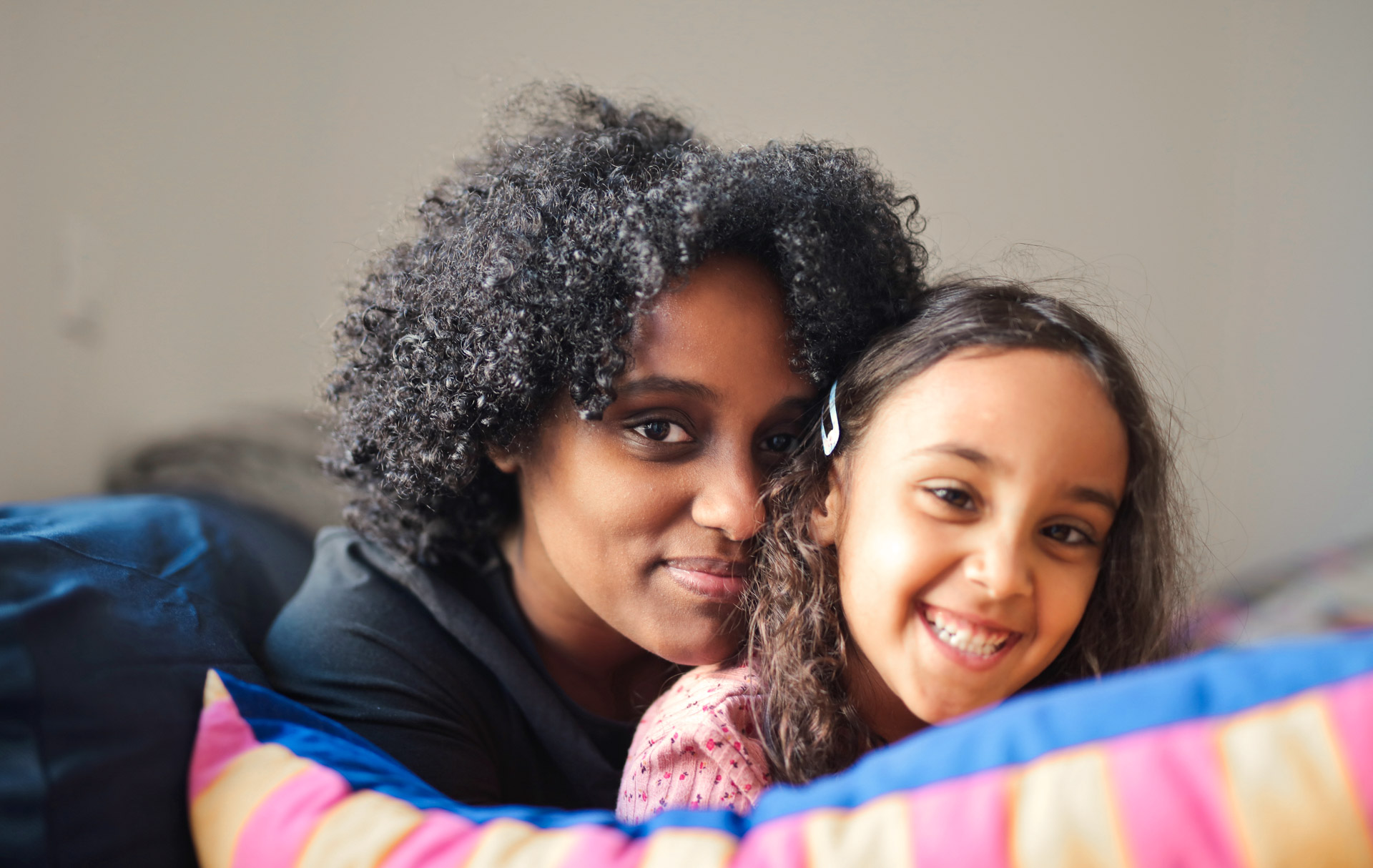
Ifeoma was 17 when she first engaged with the Family Connections Program after approaching staff following a psychoeducation presentation at a local college. She sought support to manage ongoing conflicts at home, particularly with her father, Adewale, and her mother, Nkem. Strained family dynamics, cultural tensions, and recent crises had intensified challenges at home, and Ifeoma often felt responsible for mediating family conflicts and communication. Ifeoma expressed a strong desire to strengthen her relationship with her father, though cultural expectations around her independence complicated family interactions.

The Family Connections Program provided culturally safe, inclusive support that respected the family’s values and identity, fostering trust within their dynamic. Initially, Adewale and Nkem were hesitant to engage, but the Family Counsellor’s culturally responsive approach helped create a collaborative environment.  

Ifeoma’s comprehensive case plan focused on her emotional well-being, addressing her AOD (alcohol and other drug) use, and strengthening her family relationships. Parenting coaching sessions with Adewale and Nkem highlighted effective communication strategies, culturally attuned conflict resolution, and an understanding of adolescent development. These sessions provided psychoeducation to help them recognise how family dynamics affected Ifeoma’s well-being, incorporating a trauma-informed and culturally sensitive approach that respected family identity while supporting resilience.

Recognising the importance of cultural identity and community connection, the Therapeutic Case Manager supported the family’s participation in local cultural events. These activities strengthened their ties and service navigation within Canberra’s multicultural community, enhancing their sense of belonging and shared values. This culturally supportive approach contributed to a broader network of social and emotional support for Ifeoma and her family.

Since returning home, Ifeoma and her parents have experienced a reduction in household tensions and improved communication. With the support of the Family Connections Program, Adewale and Nkem feel better equipped to manage family dynamics, respecting both their cultural values and Ifeoma’s personal needs. Ifeoma, meanwhile, feels increasingly understood and supported, with each family member’s voice valued.
Their engagement in the program has enabled them to build a healthier family dynamic grounded in mutual respect and understanding.

Adam, Helen and Cameran's Story

Fostering family harmony through culturally inclusive support
The names in this case study have been changed to protect identities.

Following a challenging family incident, Adam, Helen, and their son Cameran were referred to the Family Connections Program. Initially hesitant, Cameran agreed to engage after learning the program would focus on his needs and goals. The program’s culturally safe and inclusive approach played a key role in fostering trust with the family, recognising Adam and Helen’s parenting values were shaped by their cultural backgrounds. This understanding helped bridge perspectives, enhancing the family’s sense of connection and mutual respect.

Cameran worked with his Therapeutic Case Manager on emotional regulation, safety planning, and conflict management strategies. His Therapeutic Case Manager also connected him to youth-friendly mental health services, providing ongoing support for his personal growth and mental health needs. These interventions empowered Cameran to take charge of his goals, including exploring apprenticeship options, while building stability in both his home and school environments.

Adam engaged in sessions on adolescent development and values exploration, helping him understand Cameran’s behaviour in a broader context. These insights fostered empathy and encouraged calmer conversations. Helen focused on co-regulation techniques and boundary-setting, enabling her to navigate conflicts without escalating tensions. Through family mediation sessions, all members practiced respectful communication and conflict resolution, with each family member’s voice respected and valued.

The program’s tailored support has strengthened the Hodzic family’s dynamics, with Adam and Helen feeling better equipped to handle challenges and Cameran reporting a renewed sense of being heard. As a result, family conflicts have decreased, and constructive communication has improved, setting a positive foundation for the family’s ongoing journey together through the program.

Ready to find your path forward?

Conflict is difficult. Getting help doesn't have to be.